YOU’VE BEEN CHOSEN!
HELP YOUR FRIEND OVERCOME THEIR FEAR OF FALLING
HEY FELLOW BELAYER!
We have a hard time constantly catching all these climbers, don’t we? Why do they always have to fall so much?
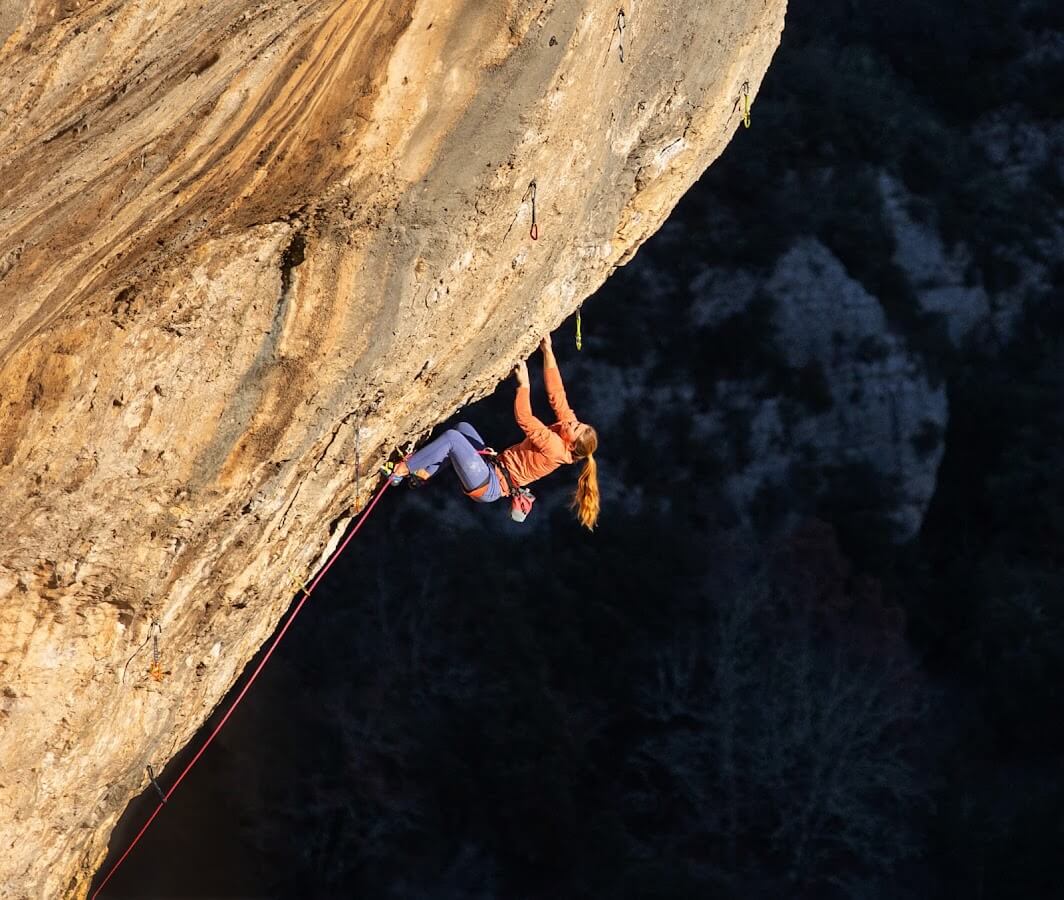
Well, falling is an integral part of climbing. While it’s more common in disciplines like bouldering and sport, even trad climbers take falls, especially when they’re pushing their limits and trying harder climbs.
So what can we do to help our fellow climbers feel more comfortable on the rock, and get them to trust us even more with our belaying skills?
First, we need to understand where they’re coming from and what they’re working on. You might even relate to this yourself.
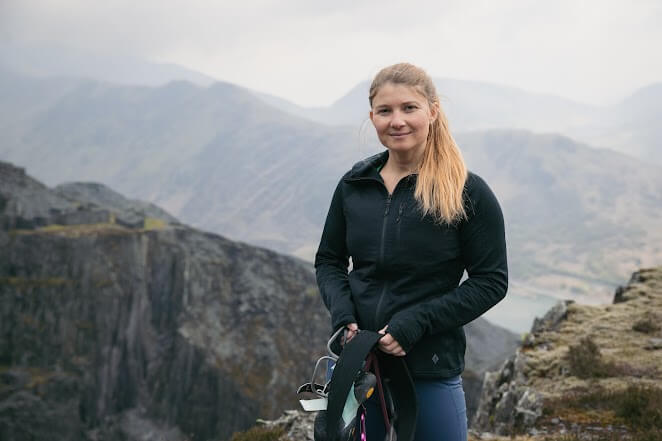
If you’re reading this it’s because your friend is going through Hazel Findlay’s course on overcoming fear of falling, and they thought you might be willing to learn a thing or two to support them as they go through it. Besides being one of the world’s most accomplished trad climbers, Hazel has helped thousands of climbers overcome their fear of falling thanks to her background in sports psychology along with her extensive coaching experience.
Fear of falling is one of the most understated things in climbing, and as a belayer, your responsibility is not only to catch your climber when they fall (preferably with a soft catch!) but also to acknowledge their feelings towards fear, to encourage them in their fall practice, and understand when to push them and when to let them know they can come down from a climb that they’re mentally struggling with.
So many climbers focus their training on their physical development (e.g. finger strength and pulling power), or their technical skills(e.g. footwork and precision), but we truly believe that so much more can be gained by working on the mental aspects of one’s climbing, the most important of those being the fear of falling.
Have you ever found yourself halfway up a tall boulder, or a couple of meters above a bolt, and felt like you were going to die or at least break something if you fell off? Don’t worry, it’s happened to the best of us. No matter our experience with climbing, if we can’t handle fear in a manageable way then we’ll never be able to push our limits.
Hazel’s course is about first understanding the science behind the fear and analyzing our own relationship with fear, then taking incremental steps to get accustomed to falling, while making sure to keep one major principle in mind: you shouldn’t ever take a practice fall if you’re too far outside your comfort zone, because you’ll just be reinforcing the notion that falling is scary or dangerous.
After reading all this, you will hopefully be asking yourself: “What are the steps I can take to make sure my climbing partner feels supported in their fall practice?”
Good question.
Let’s dive in:
1. UNDERSTANDING AND ACKNOWLEDGING THAT YOUR CLIMBING PARTNER HAS DECIDED TO WORK ON THEIR FEAR OF FALLING.
This is the logical first step, because if you can’t empathize with your partner, then you won’t be able to communicate effectively with them when they’re 50 feet off the ground and starting to get scared. A good practice is to try and help your partner in figuring out how they’re feeling about a particular climb, a section of a climb, or a fall they want to practice. Helping them become aware of these feelings and sensations is a great first step.
2. RECOGNIZING SIGNS OF STRESS AND FEAR.
To help your partner be more aware of how they’re feeling, you can use the acronym B.E.S.T. We promise, it’s the only one you’ll need to learn!
Here’s what it means:
- B: Breath
Breath is the most important sign of stress. If you notice your partner taking very short and shallow breaths, or even holding their breath, you’ll know that they’re not in a great place and should probably not be taking 5m whippers halfway up a route. Help them relax by encouraging them to take deeper breaths and focus on using the belly instead of the upper chest. - E: Eyes
Eyes refer to visual attention. Remember when you spotted your partner looking around like they were being chased by a wasp, touching every single hold in their periphery instead of slowing down and focusing their attention on the next good hand or foothold? In these situations, you’ll want to take note of how much your partner is moving their head and visual attention around. - S: Sensations
This one’s a bit more personal and for obvious reasons you won’t be able to read your partner’s inner feelings unless you have some superpower we don’t know of. However, if you know them well enough you still might be able to tune into your empathy towards them and get a slight sense of what they’re feeling. - T: Tension
Tension is really just about reading your partner’s body language. If you notice their shoulders aren’t relaxed, they’re clenching their jaw, they’ve got Elvis leg or even fidgeting around, these are signs they’re probably a bit nervous about that fall they want to practice.
3. LEARN ABOUT COMFORT, STRETCH AND PANIC ZONES.
Think of fall practice as physical training: do too little and your body won’t make any adaptations at all. Or push yourself until you can barely move anymore, completely exhausted, and you might get injured or need a week to recover which means you won’t be gaining anything from it either. The level needs to be challenging but also balanced!
Try to keep this simple diagram in mind when your partner is taking practice falls. You can use this to figure out if a fall or any climbing situation feels appropriate challenge for them. If it’s too stressful (and they’re in the red zone), it’ll just reinforce the notion that falling is scary in the long run. Make sure they use B.E.S.T to be aware of how they’re feeling about a particular fall!
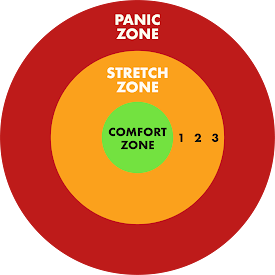
They should always start and finish their practice by taking falls in their comfort zone, which means any signs of stress, fear or hesitation shouldn’t be present at all.
It’s also good practice for them to bounce around a bit on the wall, swing around or even bust out a few dance moves just to get them feeling a bit more comfortable, but also to feel how the landing zone might affect their fall.
Then the rest of the fall session should be spent in stretch zones 1 and 2, or the comfort zone, and can progress from top rope falls to lead falls, depending on your partner’s comfort level of course. If they’re just starting out and quite scared of falling, they might need to spend a few weeks or months practicing top rope falls before wanting to try lead climbing. Everyone is different, so embrace it!
There’s no golden rule as to how many practice falls they should take, but we think 6 is good as a rough guideline and is easy enough to fit in at the beginning of a climbing session.
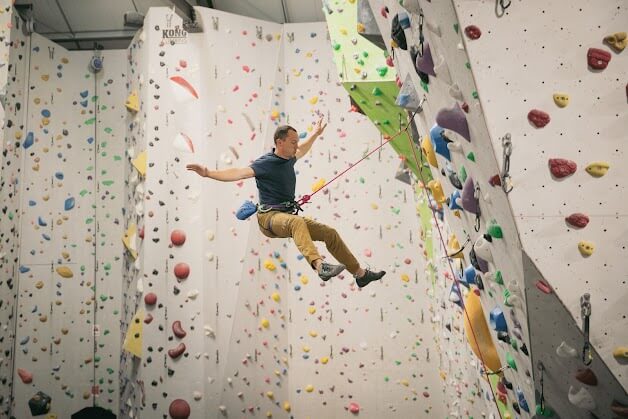
An important thing to note is to make sure they take a couple of long, slow deep breaths before taking a fall on the exhale, that’ll help them create a positive association between being relaxed and falling.
For example, if you can tell your partner’s breathing heavily, trembling, looking around madly and they say they’re just taking a stretch 1 fall, which option would you shout back up to them:
- “I’ve got you, just take the fall, you’ll be totally fine!”
- “I can tell you’re not in a good place so maybe you could come back down and take a breather for 5 minutes!”
We hope you picked option B. Option A is encouraging but doesn’t take into account your partner’s actual stress levels, and the more they take falls in their stretch zone 3 or panic zone, the more they’ll build a negative image of falling.
Another example of something we’re used to saying to people is “just relax.” While the notion might be correct, telling someone to relax simply doesn’t work unless they know the specific ways in which they can calm their body and mind, and that’s something quite personal. Instead, you could suggest: “Try taking a few deep breaths from the belly, it might help you to relax.”
Remember that these zones can shrink or expand. A bad night’s sleep, a hangover from too much partying, getting dumped, many things can influence your partner’s mindset coming into fall practice so be aware that an easy fall on one day can be a difficult one on another day!
That’s why it’s important to check in with them from time to time.
4. CHECKING IN WITH YOUR PARTNER
Communication in life is often underrated, right? Well, it’s the same in climbing.
We tend to get into habits with friends or partners where we don’t think about ways to improve our communication, and this can unknowingly lead to moments where you’re afraid to breach a certain subject about someone’s belaying skills or attitude towards climbing.
For example: you’re out at the crag with a new climbing partner that you really like. You’re finishing your warm-up and say to your partner: “Hey, I might take a fall towards the end of the next climb just to get my head in the game, are you alright at giving soft catches?” To which they politely reply “Yes, sure!”
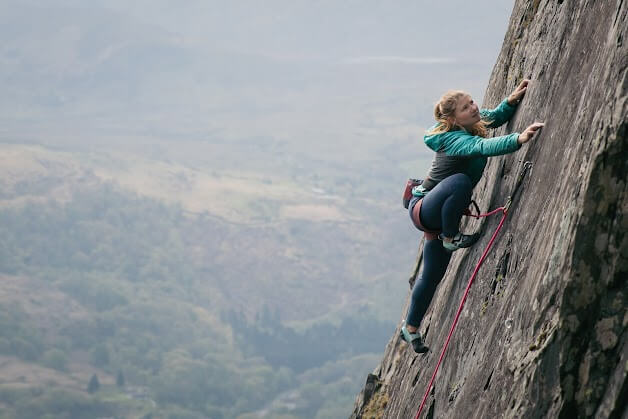
For example: you’re out at the crag with a new climbing partner that you really like. You’re finishing your warm-up and say to your partner: “Hey, I might take a fall towards the end of the next climb just to get my head in the game, are you alright at giving soft catches?” To which they politely reply “Yes, sure!”
You get to the top, warn them you’re going to fall, take the fall and you end up hitting the wall really hard because they’re 15 kg heavier than you and they didn’t try to give a soft catch at all. As they’re lowering you to the ground you nervously say “Ouch, that was a bit hard, haha”, downplaying the fear that’s just been put into you because you could have hurt yourself.
On the next routes, you’re not able to relax enough because you’re scared to fall, you overgrip, get pumped too quickly and possibly even injure yourself.
Maybe you’ve been in a similar situation before, maybe you haven’t. The point is: as climbers, we need to be open to discussion not only about essential skills but also about mindset and feelings. A great way to support your partner is to let them make their own decisions regarding their fall practice, but also to guide them with things like:
- Helping them be aware of their B.E.S.T signs, how each fall they’re taking feels and which zone they’re in
- Making sure they’re doing their bounces and also belly breathing properly
- Reminding them it’s completely fine to bail off a route if they’re getting too scared, it’s way better to come down, take some time to calm down and start again from their comfort zone
- Offering to start your climbing session with some fall practice, maybe you’d like to take some practice falls too!
- Asking them at the end of the session how they felt about their falls and also if you were supportive enough in the right ways
5. FALL SESSION EXAMPLE
Now you know how to guide your partner, you just need to know what a fall practice session looks like. We’ll let Angus take the lead in explaining just that in the video below.
6. LEARN TO GIVE SOFT CATCHES, AND KEEP IMPROVING YOUR BELAYING SKILLS
First things first: have you ever heard the term “soft catch” before?
If you haven’t, that’s totally fine. You may have just started climbing, you might only boulder, or you might have only ever climbed with folk who haven’t heard the term either. There’s nothing wrong with that!
Have you ever taken a lead fall where you either slammed into the wall so hard it felt like you almost sprained your ankle, or felt a jolt through your whole body when your harness suddenly caught you on a big overhang? Or maybe you were belaying and your partner took a fall and that happened to them.
Those would be called hard catches, which simply means that the force generated by the climber, either downwards or into the wall (depending on the angle of the wall), was high enough that the landing was hard and the impact was felt on their body.
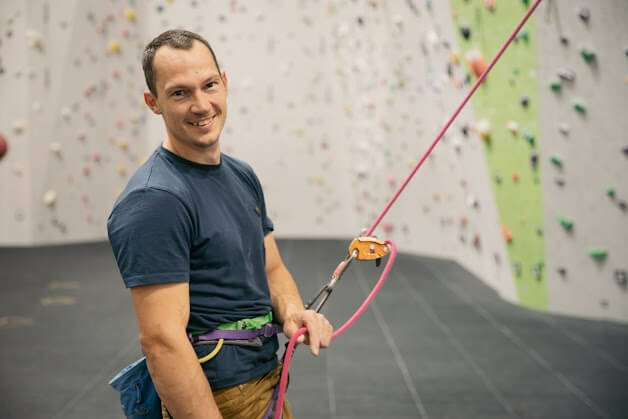
A soft catch is the opposite of that. Imagine a lead fall where the climber glides smoothly through the air, stopping as if they’ve landed on a pile of cushions. We know, it’s hard to believe, but it’s totally doable, with a fair amount of practice, of course.
As a belayer, the first key thing to think about to be able to give a soft catch is timing. And the second is dynamic movement. When a climber takes a lead fall, they accelerate downwards. The rope on their end stays slack as they fall past the last bolt they clipped and then finally starts to tighten.
This is the cue that you need to be focused on. The timing element. Before the rope starts to tighten, you need to be ready to move with it dynamically, along the direction of pull, to prevent it from tightening too fast and creating a hard catch. That’s the dynamic movement element, and it can be done in different ways:
- Standing back from the wall: we only recommend doing this if your climbing partner is lighter than you, otherwise you might get pulled and slammed into the wall, which might feel like you’re the one taking a hard fall, so that’s no good.The trick here is to stand a little further back from the wall and allow yourself to be pulled forward when the rope comes tight. Keep in mind that every belayer-climber combination and fall situation is unique, with factors like fall height and terrain angle affecting the outcome – so you've got to try it to learn it. The key is to time it just right when you feel that tug from the rope. It’s all about finding that sweet spot!
- Crouching down: this one’s great if you don’t have the knees of someone who’s lived a long, hard life. Crouch down onto one knee while you’re belaying, or when you know your partner is entering a cruxy section or getting pumped. When they fall and you feel the rope starting to pull, either just stand quickly or jump up to give them a buttery-soft catch.You’ll need to adjust the intensity of your dynamic upward movement based on your weight difference. If you’re 20kg (45lbs) heavier than your partner and they fall, you’d better jump pretty hard to prevent them from swinging fast into the wall and smashing their ankles! You can also stay standing and simply jump up when they fall, but that means doing two movements rather than one, so it does take more focus and experience in knowing when your partner might fall. (If they’re on a hard onsight for example.)
Just remember that these are guidelines and every fall and catch is different. If there’s loads of drag in the system, or the route is really long or really short, all of that affects how you need to move as a belayer.
For top rope falls, you can use the same cues. Generally speaking, you won’t need to be very dynamic since the forces involved will be much lower than with a lead fall and the rope does most of the work for you. However, if you’re quite a bit heavier than them you might want to do a little hop to make their fall a touch more comfortable.
WARNING!
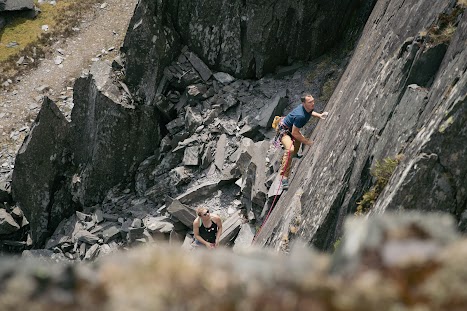
None of this stuff replaces your own belayer’s judgment! Don’t just follow our advice blindly–use your brain or silly accidents can happen. Belaying is all about adapting and learning, so keep an open mind and aim to be the best belayer you can be!
One thing you’ll definitely need to keep in mind, especially if you’re new to soft catches, is to be aware of when it’s not safe to give a big comfy soft catch. For example if your partner’s only just clipped the 1st or 2nd bolt. We’ll let you imagine what might happen to their legs if they fall then and you decide they need a soft catch. Or if they’re halfway up a route and have just clipped the 1st bolt of a slabby section after a massive ledge. Same story.
It’s up to you to analyze the route before your climber gets on it, and ideally have a conversation with them about any potential risks you might foresee.
BELAYING TIPS VIDEO
Most climbers get their belay certificate once from the gym and then assume they can belay like the best. And then you see those same climbers at the crag with their hands off their Grigri, not ideal!
However, we very much see belaying as a skill that you can continuously get better at. When it comes to belaying there’s actually a ton more variety than we initially think. Every climb, every gym or crag, every rope, every climbing partner has its nuances and differences – and the more tuned in we are the better we can get at belaying and giving soft catches in every environment.
And just a fun little disclaimer: This video is not designed to teach you how to belay but rather provides tips on how to give a soft catch. So, please make sure you are properly trained in belaying before climbing with a partner and that you’ve either passed the belay test at your local gym, or had an experienced mentor teach you the appropriate skills!
With the tips in the video below, you can become a better and safer belayer.
WANT TO WORK ON YOUR FEAR OF FALLING, TOO?
After reading all this you might be thinking: “Wow, I can relate to this stuff, I think I’m quite scared of falling a lot of the time, too!”
So yes, you’d probably benefit from working on your fear just like your climbing buddy! Which means you may want to sign up and join Hazel’s course too.
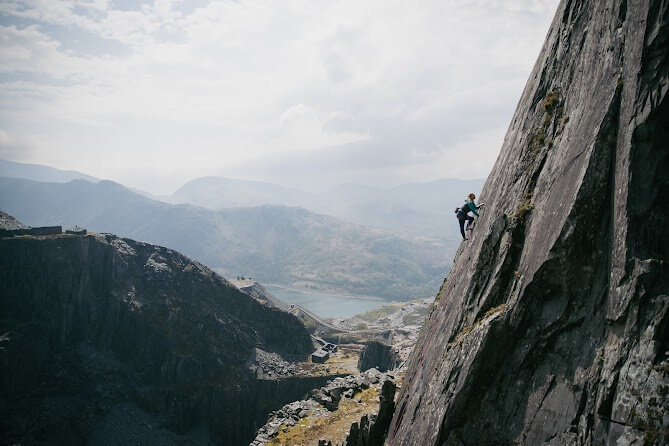
You can find out more about it on the course sign-up page here:
Thanks for reading, and happy belaying!
P.S: don’t forget to check you and your partner’s knots!